

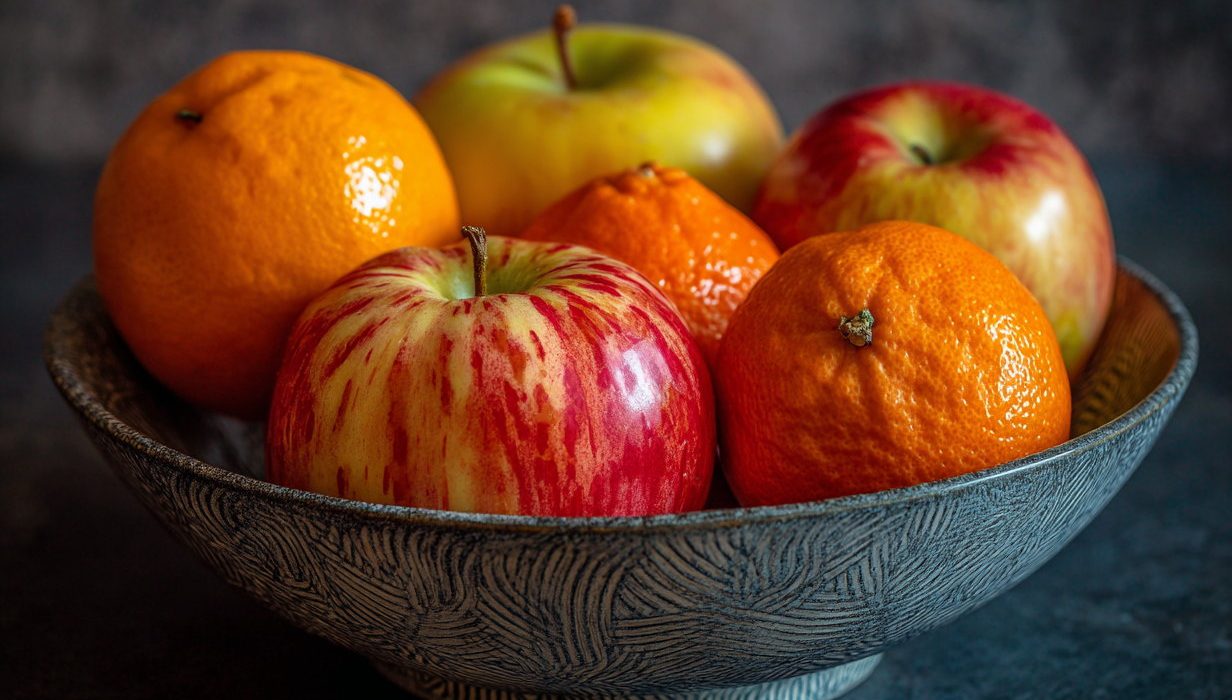
Are apples and oranges really that different?
Apples and oranges are both easy and delicious ways to eat more fruit, but if you’re managing your blood glucose, which one should you choose? The natural sugars in both fruits provide energy and increase blood sugar, but the effects may be different depending on which one you choose and how you eat it.
How all foods, including apples and oranges, affect your blood sugar comes down to the presence and amount of specific nutrients, including carbohydrates, protein and fat. “Carbohydrates have the most immediate impact on blood glucose levels, while protein and fat help slow digestion and reduce how quickly sugar enters the bloodstream,” says Maggie Bell, M.S., RN, RDN.
How Apples Affect Blood Sugar
One medium apple (182 grams) provides 25 grams of carbohydrates, including 4.5 grams of fiber and 19 grams of natural sugars, with under half a gram of both protein and fat. Because the nutrient content of an apple is primarily made up of carbohydrates, you can expect it to increase your blood sugar, providing your body with energy. However, the presence of additional nutrients and compounds influences how that happens. “Apples contain fiber (especially in the skin), which helps slow how quickly sugar enters the bloodstream, so they tend to have a more steady impact on blood sugar,” says Talia Follador, RDN, LDN.
You can expect a sharper spike in blood glucose if you peel your apple before eating it. Apples’ skins are mostly made of soluble fiber, which helps delay the digestion and absorption of sugars, and they contain alpha-glucosidase-inhibiting enzymes, further supporting a gradual effect of carbohydrates on your blood glucose.
But because we rarely eat foods in isolation, pay close attention to what you’re eating with your apple. “To support better blood sugar balance, it can be helpful to pair an apple with a source of protein and healthy fat, such as nuts or nut butter, which further slows digestion and helps prevent rapid spikes,” Bell shares.
How Oranges Affect Blood Sugar
One large orange (184 grams) contains 21 grams of carbohydrates, 4.5 grams of fiber, 109% Daily Value for vitamin C and 14% DV for folate. Similar to the apple, the 17 grams of natural sugars in an orange will increase your blood glucose, but the fiber slows down the rate of digestion. Plus, the high vitamin content adds serious nutritional value. “Oranges are also a great source of fiber and tend to have a relatively gentle effect on blood sugar when eaten whole,” says Follador, adding that, “similar to apples, pairing them with protein or fat can help keep things more balanced.”
While the high polyphenol and vitamin C content of oranges doesn’t significantly affect their immediate effect on blood glucose, it may improve glucose metabolism over time. Researchers have found that long-term citrus consumption is associated with improvements in fasting blood glucose and markers of insulin resistance. These long-term benefits could be related to changes in the gut microbiome and influences on inflammation and oxidative stress.
And while 100% orange juice is a good source of beneficial bioactive compounds, vitamins and minerals, its higher sugar concentration and lack of fiber will likely result in a much sharper blood glucose spike unless paired with a balanced, high-protein meal or snack.
Which Is Better for Your Blood Sugar?
The good news is that you don’t have to choose between the two fruits when eating a blood sugar–friendly diet. “Both apples and oranges can support healthy blood sugar levels when eaten in their whole form, as they each contain fiber that helps slow the absorption of sugar into the bloodstream,” says Bell.
When comparing apples and oranges gram for gram, they have the same amount of fiber and very similar carbohydrate and sugar content. Both are also rich in various vitamins, minerals and bioactive plant compounds that support overall blood sugar metabolism. “The bigger factor is how you’re eating them, not which one you choose,” Follador emphasizes. Pairing whole fruit with protein and healthy fats, like yogurt and peanut butter, for a balanced meal or snack will best support steady blood sugar levels and prevent rapid spikes.
Other Tips for Better Blood Sugar
- Add movement after meals: “Light activity after eating (like a short walk or a few air squats) significantly improves blood-sugar responses,” says Follador. While longer workouts may provide additional health benefits, research shows that even a 10-minute short walk after eating can significantly reduce peak post-meal glucose levels.
- Make time to relax: A healthy body can handle short bouts of stress, but chronic stress can cause changes that significantly increase the risk of insulin resistance and diabetes. Practicing restorative activities like deep breathing, prioritizing sleep, yoga, meditation and mental health counseling can help manage stress. These interventions can reduce the presence of damaging stress hormones in the body caused by chronic stress.
- Be mindful of your portion sizes: When you’re managing blood sugar, no food is ever off-limits, but you do need to be mindful of your portion sizes. Even foods like ice cream, cakes and cookies can be eaten without blood sugar spikes, as long as they’re enjoyed in smaller portions and paired with protein, fiber and fats.
Our Expert Take
Apples and oranges are both blood sugar–friendly fruits, combining natural sugars with fiber to support energy and provide valuable nutrients. One is not necessarily better than the other, but you’ll want to enjoy both in their whole forms to take advantage of the fiber found in the skins and pulp, and pair them with a meal or snack rich in protein and healthy fats for optimal blood sugar regulation.