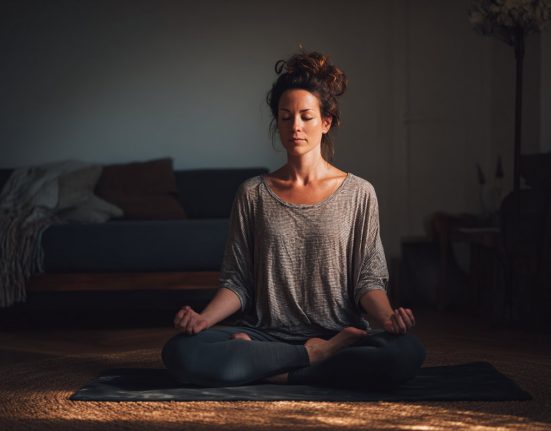

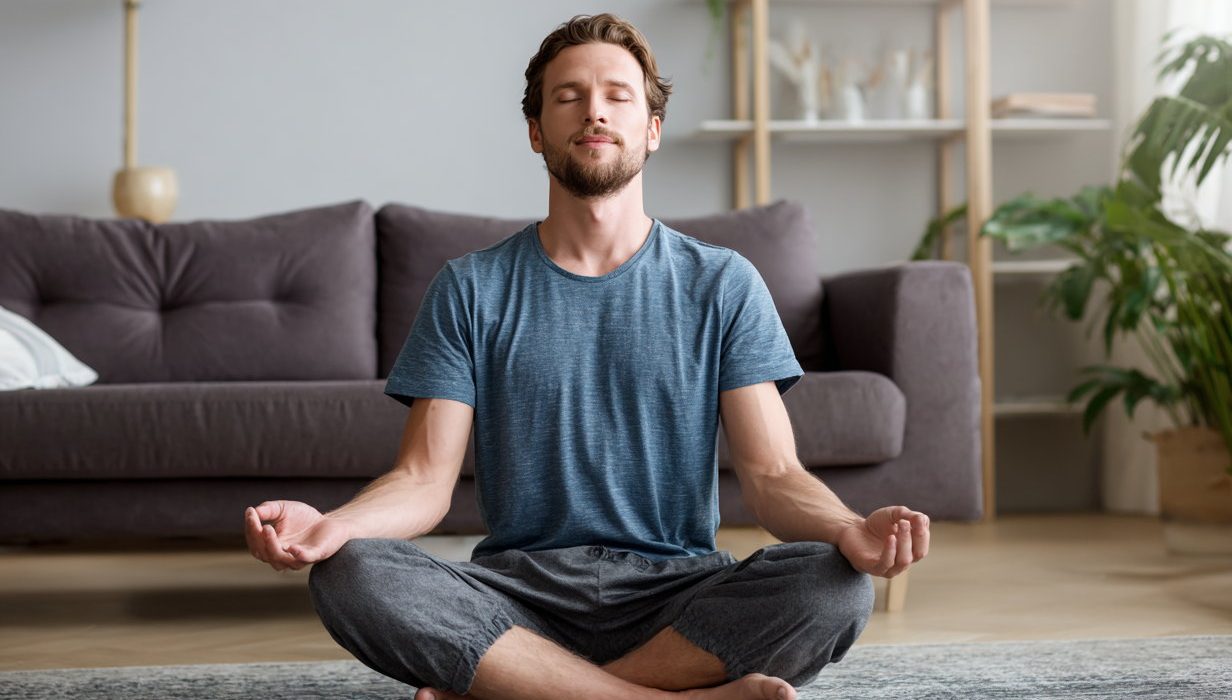
Most of us associate meditation with sitting quietly in a dark room and clearing your mind for 20 minutes in perfect silence. But gratitude meditation is very different. It simply means focusing on and acknowledging the things you are thankful for.
What Is Gratitude Meditation?
A gratitude meditation is the conscious act of recognizing and appreciating the things in life for which you are grateful. This can be done in a few ways. You can:
- Set aside a few minutes a day to actively identify things that make you grateful
- Write down a list of what you are grateful for in a gratitude journal
- Acknowledge in real time something you are grateful for as you are experiencing it
There are a plethora of guided gratitude meditations online that you can use as a guide. Or, you can design your own approach to gratitude.
The practice of gratitude has roots in both religion and philosophy and was a key part of our growth and progress as a species. It’s believed that people who recognized acts of altruism from others were more likely to be the recipients of altruism in turn.
This reciprocity became deeply embedded in our collective psyche and is why gratitude is now associated with so many positive effects.
What Are the Benefits of Gratitude?
Practicing gratitude can increase feelings of happiness and well-being. Studies suggest that being mindfully grateful can actually rewire your brain, making you better equipped to deal with life’s challenges.
Gratitude and gratitude meditation have been proven to:
- Improve mood and mental well-being
- Decrease symptoms of stress, anxiety, and depression
- Increase feelings of happiness
- Increase feelings of compassion for self and others
- Lower levels of depression in people with chronic illnesses
- Support recovery from alcohol and substance use disorders
- Increase trust in strangers
- Lead to positive outcomes like post-traumatic growth
- Improve sleep
By focusing on people, places, things, and experiences you are grateful for rather than what you don’t have or what you have lost, your day-to-day mood can improve, and your ability to see the good over the bad can strengthen. This leads to less time worrying—something we could all benefit from.
Practicing gratitude can help you change your perspective on what you might otherwise consider negative or detrimental. This promotes acceptance of the things you cannot change, determination to change the things in your life that are actually in your control, and, as the old saying goes, the wisdom to know the difference.
How Gratitude Meditation Works
Sometimes, we can have a bit of a bias toward negativity. This keeps us alert to and safe from danger. But often, this instinct can go too far. Focusing on how to respond when things are bad can lead us to forget the good things in our lives.
The point of gratitude meditation is not to forget or ignore injustices or suffering in the world, nor is it meant to erase the problems you are struggling with yourself. Instead, it helps open our eyes to the larger systems at play in our lives; it helps us recognize our successes while simultaneously acknowledging and respecting our challenges.
Maybe someone you love is ill. Remembering and appreciating the good times you had with that person can help you through this tougher time. Maybe you were passed over for a promotion at work. Recognizing your hard work up to that point can encourage you to speak up for yourself and set goals that will help you get where you want to be.
Will It Always Work?
Gratitude meditation is not a cure-all. Conditions like depression, for example, can make it difficult at times for someone to feel grateful for anything. If you’re struggling to feel grateful and can’t feel the good in anything, know that there is help.
If you’re dealing with a condition like depression, talk to your doctor about your options. A combination of medication and therapy can help you overcome your symptoms and put you in a headspace where meditation may be more effective for you.
How Do I Get Started?
The great thing about gratitude meditation is that you can practice it literally anywhere at any time. While there are guided meditations that can guide you through the process, all you really need are your own thoughts and feelings.
An easy way to introduce gratitude into your life is to set up a daily routine. Set aside five minutes in your morning to reflect on what you are grateful for. Some ideas include:
- Your family, your friends, and/or your partner(s)
- Your pet(s)
- Your favorite coworkers
- Your job (or the aspects of your job you like the best)
- Your hobbies and passions, and the ability to pursue them
If it feels difficult to identify specific things to be grateful for at first, you can always think of the larger picture and go from there:
- You are alive
- You have a roof over your head and food to eat
- You have people in your life who love you
Of course, even these basic things—which most of us take for granted—are not applicable to everyone, and this kind of gratitude practice acknowledges that. The greater point is that, no matter what obstacles you face, identifying at least one thing you are grateful for can make dealing with those challenges even a tiny bit easier.
How Do I Maintain a Gratitude Meditation Regimen?
One simple way to establish a consistent gratitude regimen is to start a gratitude journal. Take a few minutes a day to jot down what you are grateful for.
You can also work gratitude meditation into specific moments in your daily routine. For example, maybe while you wait in line to check out at the grocery store, you make a point of being grateful for having the groceries you need and the ability to buy them.
Coming up with things to be grateful for can be difficult in itself, especially if you aren’t in the habit of doing so. This is especially true for people currently facing exceptional adversity. This is why gratitude meditation emphasizes the importance of not being judgmental of yourself. Identifying just one thing for which you are grateful is a huge success, and it doesn’t matter what it is.
However you feel as you practice gratitude is okay. It’s important to recognize your emotions and allow yourself to feel them without judgment. Noticing those emotions and remembering them during your next meditation might make it easier to let them go.