
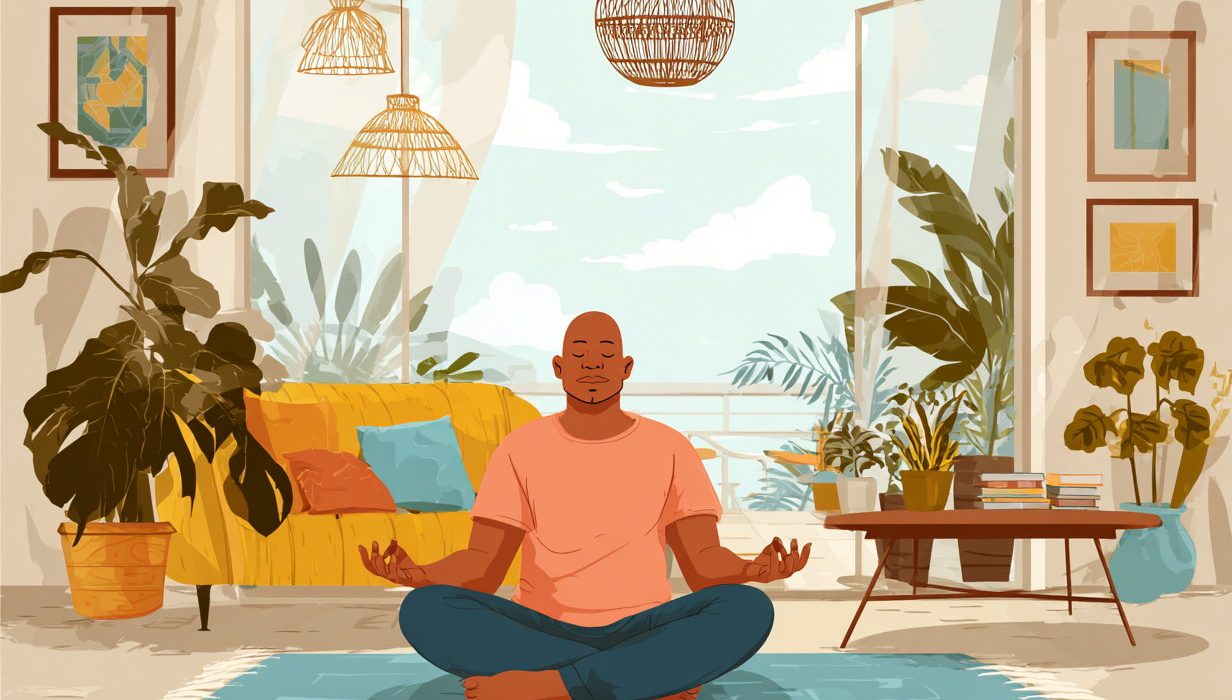
From breath meditation to yoga nidra, all types of meditation aim to help you feel calmer, more relaxed and present
Tending to your mental health is just as important as taking care of your physical health — and meditation has become an increasingly popular way to nurture your whole self.
If you’re not yet familiar with how to do it, meditation might seem mysterious, time-consuming or too difficult. But it’s quite different from what you may think it is, says yoga therapist Holly Wilgus, E-RYT 200.
Wilgus explains what meditation is and how to meditate, including different types to try.
Benefits of meditation
There’s plenty of hard science to show that meditating can bring some profound changes, especially when it’s done in conjunction with other healthy lifestyle habits. In fact, more than 1,500 research studies back up the many benefits of meditation.
Meditation has been shown to help improve:
- Stress levels
- Mood
- Memory and focus
- Emotional regulation
- Pain levels
- Sleep
- Symptoms of anxiety and depression
“At its core, meditation helps you calm your mind and develop the ability to stay in the present moment,” Wilgus explains. “You’re not thinking about things that happened yesterday that still bother you, or dwelling on anxiety about future things, like looming deadlines and long to-do lists.”
Types of meditation
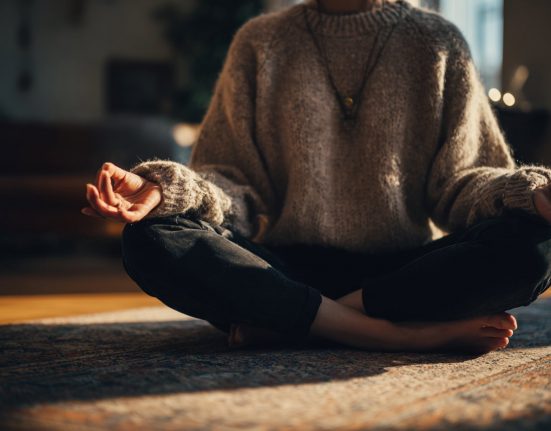
Trying to figure out how to meditate properly? Here’s the thing: There’s no single right way to meditate, and the practice can take many forms.
“Each type of meditation has the same goal: calming the busy mind and helping us be present and find some balance in our lives,” Wilgus says.
Wilgus walks us through just a few of the most popular meditation options.
Breath meditation
No matter what type of meditation you choose, it’s important to think about your breath. But this type specifically focuses on the very act of inhaling and exhaling.
“You’re bringing awareness to the natural process of breathing by following the in-breath and out-breath,” Wilgus explains. “Focusing on your breath gives your mind something to do, and it can help you in so many ways. It’s profoundly effective.”
When you breathe better, you feel better. Deep breathing (aka diaphragmatic breathing) has been shown to help:
- Activate your body’s relaxation response and move you out of fight-or-flight mode
- Increase oxygen levels in your blood
- Lower heart rate and blood pressure
- Relieve stress
- Reduce symptoms of conditions like anxiety, asthma and chronic obstructive pulmonary disease (COPD)
Mindfulness meditation
Mindfulness is a big piece of meditation in general, as it encourages you to focus on the here and now. But mindfulness meditation in particular employs all of your senses to observe what’s going on around you and how you feel.
“Mindfulness asks you to use all your senses to check in,” Wilgus says. “Ask yourself: What does your body feel like? Does something feel tight? Sore? Tired? What kind of thoughts and emotions are you experiencing?”
You’re not thinking about the past or the future. You’re in the current moment — just you and your body and your breath. In mindfulness meditation, you’re encouraged to observe different thoughts, feelings and sensations without judgment.
Guided imagery meditation
In guided imagery meditation, someone else — whether in-person, online or via an app — verbally walks you through a mental journey of relaxing mental images or memories. For example, they might ask you to think about:
- A vacation you enjoyed
- A memorable date with your partner
- A place that feels especially peaceful to you, like the mountains or a beach
- A time when you were blissfully happy
To help transport you back to that place, your guide might ask leading questions that involve all of your senses. Are you somewhere where the trees smell like pine or the air smells like salt? Do you feel warm sand beneath your toes? Do you hear ocean waves? How does the sun feel on your skin?
“Using these mental images guides you to places you recognize, relying on memories that you have positive associations with and that bring a smile to your face,” Wilgus explains. “For example, if you’re remembering your favorite vacation, you start thinking about what a great way it was to relax and recharge.”
Yoga nidra
Yoga nidra (sometimes called yogic sleep) is a type of guided practice, meaning someone helps you along the meditation journey. It takes a bit longer than other types of meditation, usually lasting at least 30 minutes.
To do it, you typically lie on the floor. Though your body and mind are at rest, your consciousness is awake.
“Yoga nidra is an enhanced state of relaxation and awareness where you’re still aware, not really asleep,” Wilgus clarifies. “It allows you to access the kind of deeper brainwaves that occur during the deepest sleep cycles.”
Loving-kindness meditation
The loving-kindness meditation, also known as the metta meditation, has Buddhist origins. It involves applying a statement of gratitude to various people and situations in your life: “May you be well, may you be happy, may you be peaceful, may you be loved.”
“This language helps us take our limited worldview and expand it out to global well-being,” Wilgus says.
You start by saying the statement to yourself. Then, you apply the same wording to your larger circle of friends and acquaintances: your best friend, your sister, even the barista you see every day at the coffee shop. Eventually, you’ll apply the same statement to difficult people in your life.
“When you think of someone who pushes your buttons, you wish them well, wish them happiness,” Wilgus emphasizes. “It’s a profound practice in cultivating kindness and forgiveness in relationships with people whom you find difficult.”
In the final repetition of these phrases, you extend the meditation to all beings around the world: “May we be well, may we be happy, may we be peaceful, may we be loved.”
Moving meditations
Yes, movement can be meditative! Moving meditations are those that occur while you’re doing another activity, like:
- Tai chi
- Walking
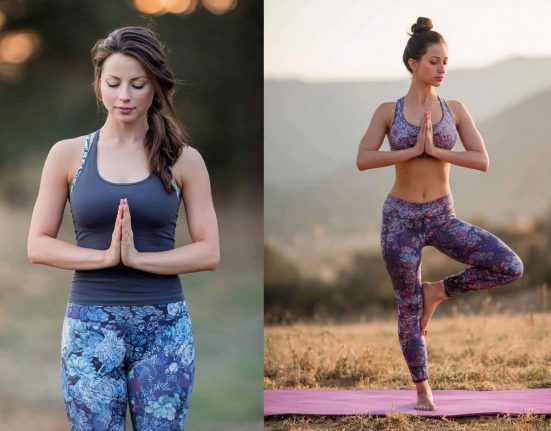
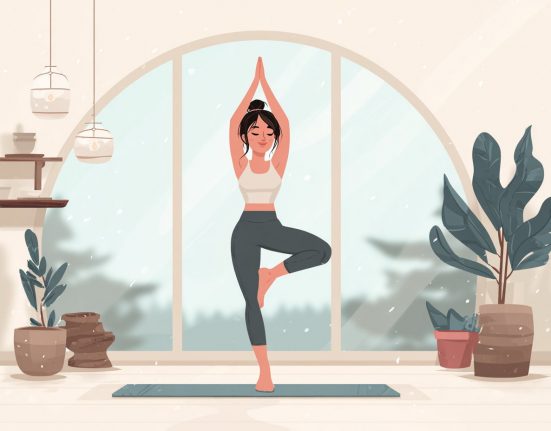
- Yoga
“For some people, doing gentle movement offers an easier way to step into a meditation practice,” Wilgus says. “As you’re moving, you begin to focus your mind and, eventually, quiet your thoughts.”
These meditations can be hybrids or combinations. For example, mindfulness-based stress reduction (MBSR) is a formal practice that combines mindfulness practice with yoga.
How to choose the right type of meditation for you
As you look into meditation, reflect on what approach best suits you. Ask yourself:
- What are your goals? If you’re hoping for better sleep, you might turn to yoga nidra. If you want to practice cultivating compassion, a loving-kindness meditation might help. If you just want to feel grounded in the present, a simple breath meditation may be just the ticket.
- Do you prefer to meditate alone or with others? You may like meditating by yourself, or you may prefer to do so in a group setting, like by taking a tai chi or gentle yoga class.
- Do you want the help of technology? A variety of meditation apps are tailored to various meditation styles, from calming techniques to more direct, matter-of-fact approaches. Some apps even have an integrated chat room so you can communicate virtually.
Wilgus also weighs in on what to stay away from: “Avoid anything that tells you, ‘You have to meditate this way or that way,’ or, ‘This is the only right way to do it,’” she states. “There are many ways to meditate, so go with what resonates for you. There’s something out there that’s the perfect fit.”
Final thoughts on meditation
We get it: It can be hard to begin. But Wilgus offers a few final tips that can help you figure out how to start meditating.
- Just start. “You might think you can’t meditate because your mind is too restless,” Wilgus acknowledges, “but that’s like saying that you have to be fit before you can go to the gym.” In other words, your mindset goes a long way — and you’ve got to start somewhere!
- Find small pockets of time. Some types of meditation, like guided imagery meditation, require a time commitment. But others, like breath meditation and mindfulness meditation, can be done in short bursts. You can even meditate while doing the dishes.
- Stick with it. Whatever type of meditation you choose, what matters most is consistent practice. So, how long is long enough to experience positive effects? “You can feel results immediately,” Wilgus shares. “But as little as eight weeks of daily practice gives you long-lasting benefits.”
One last word on meditation: You don’t need to aim to quiet your mind entirely.
“Many people think they can’t meditate because their minds are so busy with thoughts,” Wilgus notes. “But that’s normal. The trick is to recognize when your mind drifts, gently and without judgment — then return to the present moment.”
Occasionally, your meditation may lead to a quiet mind, and it’s great if it does. But don’t be frustrated if that doesn’t happen often. You will still receive the benefits of meditation.