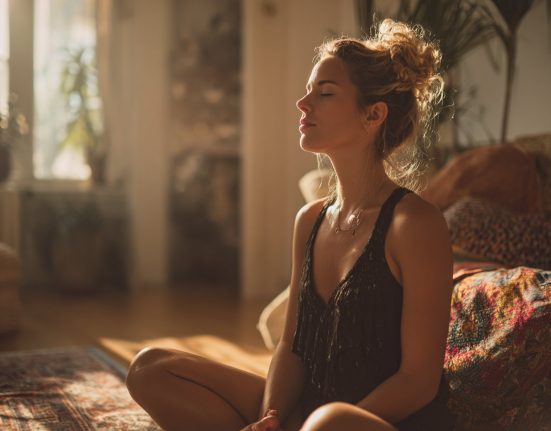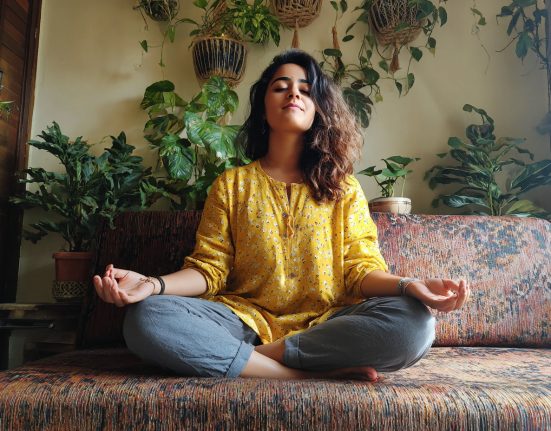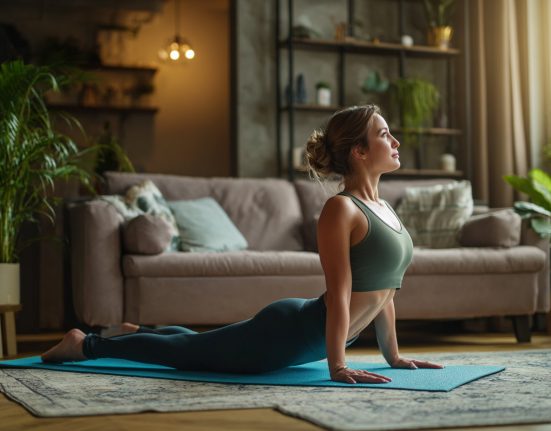

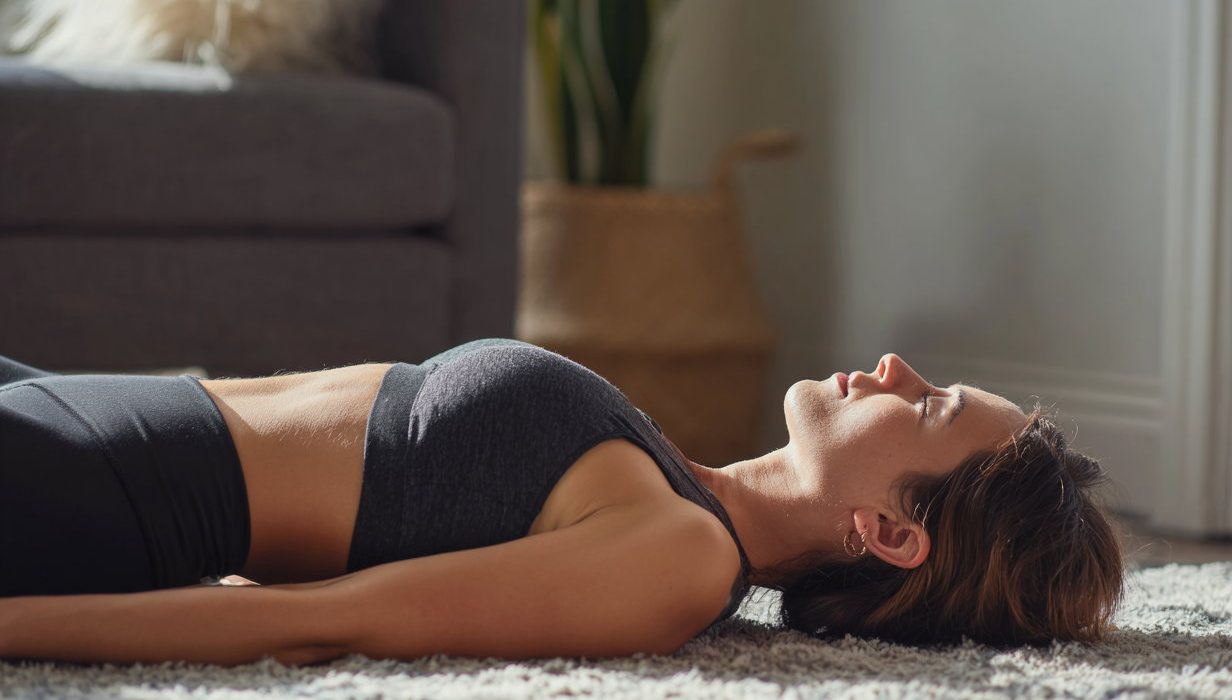
If you’re finding it difficult to wind down after a busy day or struggling with insomnia, yoga can offer a simple and natural way to help promote relaxation and better sleep. Incorporating gentle yoga poses into your nightly routine can calm the mind, reduce stress, and release the physical tension that might be keeping you up. Here are five yoga poses to try for a more restful night of sleep.
1. Child’s Pose (Balasana)
Child’s Pose is a gentle and restorative pose that can help calm the nervous system and stretch out tight muscles. By focusing on deep breathing and relaxation, it encourages the body to release tension, preparing you for sleep.
How to do it:
- Start on your hands and knees with your wrists directly under your shoulders and knees under your hips.
- Lower your hips back toward your heels, extending your arms out in front of you with your forehead resting gently on the ground.
- Breathe deeply and hold for 1-3 minutes, focusing on relaxing your body with each breath.
2. Legs Up the Wall Pose (Viparita Karani)
This pose is excellent for relieving fatigue and reducing stress. By inverting your body with your legs resting up the wall, you allow the blood to flow away from your legs and toward your heart, promoting relaxation and a sense of calm.
How to do it:
- Sit with one hip against a wall and then lie back, extending your legs up against the wall.
- Keep your arms relaxed by your sides or place them in a comfortable position.
- Close your eyes and take deep breaths, holding the pose for 5-10 minutes.
3. Reclining Bound Angle Pose (Supta Baddha Konasana)
This pose helps to open up the hips and release tension in the lower body. By relaxing in this posture, you encourage a deep sense of peace and stillness, ideal for sleep preparation.
How to do it:
- Lie on your back and bring the soles of your feet together, letting your knees fall out to the sides.
- Place your arms by your sides or on your belly.
- Breathe deeply, allowing your hips to relax into the floor and your body to release any remaining tension. Hold for 3-5 minutes.
4. Cat-Cow Pose (Marjaryasana-Bitilasana)
The Cat-Cow Pose is great for relieving tension in the spine and promoting flexibility. This flow between arching and rounding your back helps to loosen the muscles, release stress, and calm your nervous system.
How to do it:
- Start on all fours, with your wrists under your shoulders and your knees under your hips.
- Inhale as you drop your belly toward the mat and arch your back (Cow Pose).
- Exhale as you round your back and tuck your chin to your chest (Cat Pose).
- Repeat this movement for 1-2 minutes, focusing on deep breathing.
5. Savasana (Corpse Pose)
The final relaxation pose, Savasana is a must for calming the mind and body. By lying still and focusing on your breath, you create a sense of deep rest that helps the body transition into a restful state, perfect for falling asleep.
How to do it:
- Lie flat on your back with your legs extended and arms by your sides, palms facing upward.
- Close your eyes and take slow, deep breaths, letting go of any lingering tension.
- Hold the pose for 5-10 minutes, focusing on complete relaxation.
FAQ
Q: How long should I hold each yoga pose?
A: The ideal duration for each pose is typically between 1 to 5 minutes, depending on the pose and your comfort level. For poses like Legs Up the Wall or Savasana, holding for 5 to 10 minutes is beneficial for a deeper relaxation.
Q: Can yoga really help with insomnia?
A: Yes! Yoga can be an effective tool for managing insomnia. The physical movement, combined with deep breathing and mindfulness, can lower cortisol levels and relax the nervous system, making it easier to fall asleep and stay asleep.
Q: Should I practice yoga right before bed?
A: Yes, but keep your practice gentle and calming. Avoid intense or energizing poses before bed as they might leave you feeling too stimulated. Focus on restorative and relaxing poses, such as those mentioned above.
Q: How often should I practice yoga for better sleep?
A: For best results, try to incorporate these yoga poses into your nightly routine. Practicing yoga consistently, even for just 10-15 minutes, can help improve sleep quality over time.
Q: Can yoga replace sleep medication?
A: While yoga can significantly improve sleep quality, it’s important to consult with a healthcare provider if you have chronic sleep issues. Yoga can be a helpful addition to a holistic approach to sleep but may not completely replace prescribed sleep medications for some individuals.