
In today’s fast-paced world, quality sleep is often something we take for granted. With busy schedules, constant distractions, and stress, falling into a peaceful slumber can feel like a challenge. However, incorporating a few calming yoga poses into your bedtime routine can significantly improve the quality of your sleep. Yoga is a powerful practice that can relax the body, quiet the mind, and prepare you for a restful night.
In this article, we will explore five of the best yoga poses to help you sleep better tonight. These poses focus on relaxation, gentle stretching, and stress reduction, making them perfect for winding down before bed. Let’s dive in and discover how these yoga poses can transform your nightly routine and help you achieve the restful sleep you deserve.
1. Child’s Pose (Balasana)
Child’s Pose is a calming, restorative posture that stretches the back, hips, and thighs. This pose is great for reducing tension, calming the nervous system, and promoting relaxation. It helps release the build-up of stress throughout the day, making it an excellent starting point for your bedtime yoga routine.
How to do it:
- Start by kneeling on the floor with your big toes touching and knees spread apart.
- Lower your hips back toward your heels while extending your arms forward on the floor.
- Rest your forehead on the ground and focus on deep, slow breathing.
- Hold the position for 1-2 minutes, allowing your body to relax completely.
Benefits: Child’s Pose stretches the spine, hips, and thighs, helping to release physical tension. It also calms the mind, promotes deeper breathing, and signals to your body that it’s time to unwind.
2. Forward Fold (Uttanasana)
Forward Fold is a gentle stretch that targets the hamstrings, calves, and lower back. This pose helps reduce stress and promote relaxation by calming the nervous system and encouraging a flow of energy throughout the body. It’s also effective at releasing tightness in the upper body, especially in the neck and shoulders.
How to do it:
- Stand with your feet hip-width apart and bend your knees slightly.
- Slowly hinge at the hips and fold your torso forward, bringing your chest toward your thighs.
- Let your head hang heavy, and keep your arms relaxed, either dangling toward the floor or resting on your legs.
- Hold the pose for 30 seconds to 1 minute, taking deep breaths and focusing on the release of tension.
Benefits: Forward Fold helps release tension in the back, neck, and shoulders, all areas where stress often accumulates. It also stimulates the parasympathetic nervous system, which is responsible for relaxation.
3. Legs Up the Wall (Viparita Karani)
Legs Up the Wall is a restorative yoga pose that promotes deep relaxation and relieves tension in the lower body. This simple pose is highly effective for calming the mind and calming down after a long day. By reversing the flow of gravity, this pose can also help with circulation and reduce the feeling of tired, swollen legs.
How to do it:
- Sit next to a wall and gently lie back, swinging your legs up against the wall.
- Keep your hips close to the wall, with your legs extended straight up.
- Rest your arms at your sides with your palms facing up.
- Close your eyes, relax, and focus on your breath for 5-10 minutes.
Benefits: Legs Up the Wall is known for its calming effects on the body and mind. It helps to reduce stress, promote relaxation, and improve circulation. This pose also releases tension in the legs, helping you feel lighter and more at ease.
4. Seated Forward Fold (Paschimottanasana)
Seated Forward Fold is another excellent yoga pose for reducing tension in the body. This pose focuses on stretching the hamstrings and lower back while promoting a sense of calm and relaxation. It can help release tightness and is especially beneficial for those who sit for long periods during the day.
How to do it:
- Sit on the floor with your legs extended straight in front of you.
- Inhale and lengthen your spine, reaching your arms overhead.
- As you exhale, slowly hinge at your hips and fold forward, bringing your chest toward your thighs.
- Hold the stretch for 30 seconds to 1 minute, breathing deeply and allowing your body to relax.
Benefits: Seated Forward Fold stretches the lower back, hamstrings, and calves, helping to release physical tension. It also calms the mind by encouraging deep, mindful breathing, making it easier to transition into sleep.
5. Savasana (Corpse Pose)
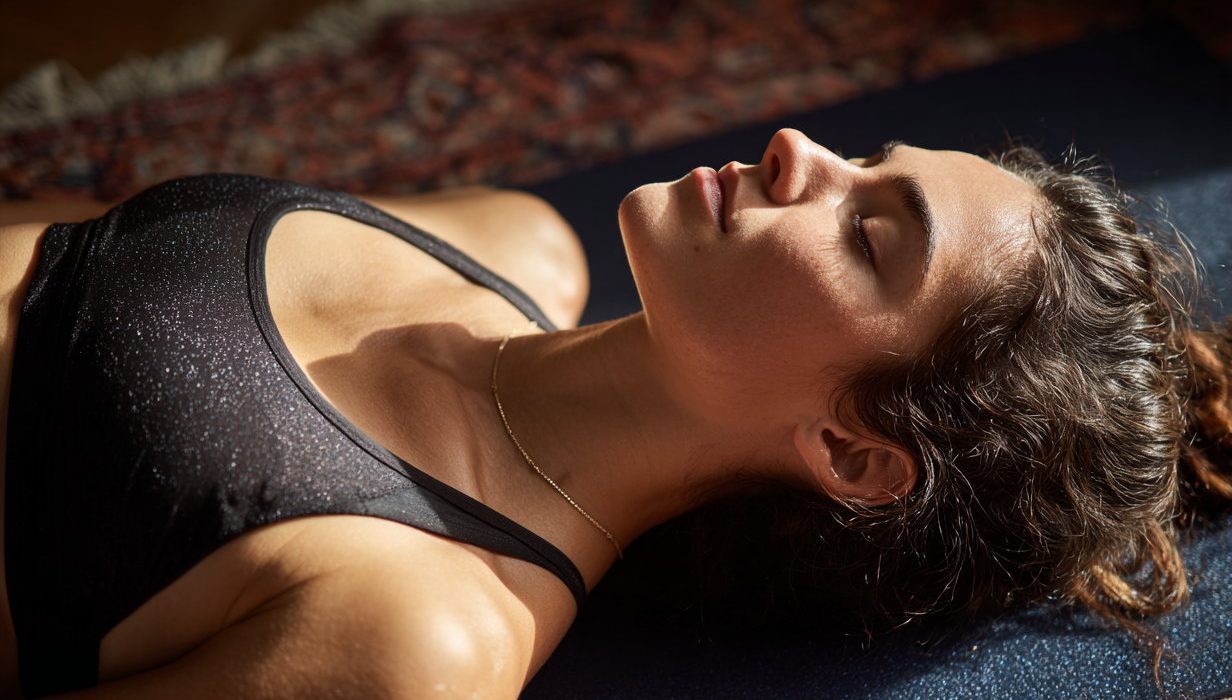
Savasana, or Corpse Pose, is the final relaxation pose in yoga. It is typically performed at the end of a yoga session, but it is especially effective as part of a bedtime routine. This pose encourages deep relaxation by allowing the body and mind to completely surrender. Savasana calms the nervous system, relieves stress, and prepares the body for a peaceful night’s sleep.
How to do it:
- Lie flat on your back with your arms resting at your sides, palms facing up.
- Keep your legs extended and slightly apart, with your feet relaxed.
- Close your eyes and focus on your breath, letting go of any tension in your body.
- Stay in this pose for 5-10 minutes, allowing your body to fully relax and your mind to quiet.
Benefits: Savasana encourages complete relaxation by calming the nervous system and reducing stress. This pose helps to promote mental clarity and physical stillness, making it the perfect way to prepare for a peaceful night of sleep.
Conclusion
Incorporating these five yoga poses into your bedtime routine can significantly improve the quality of your sleep. Whether you’re dealing with physical discomfort, stress, or an overactive mind, these stretches help to release tension and promote a deep sense of relaxation. By practicing these poses regularly, you can create a calming ritual that signals to your body and mind that it’s time to unwind and prepare for restful sleep.
Try adding these yoga poses to your evening routine tonight, and you’ll likely notice a positive difference in how quickly you fall asleep and the quality of your rest. Remember, even a few minutes of focused stretching and deep breathing can make all the difference when it comes to achieving a peaceful, restorative night’s sleep.