
Experts explain the importance of this mineral and break down the best sources for your calcium fix
We know we need to eat calcium-rich foods for optimal bone health (who among us hasn’t drunk a glass of milk every night as a child just to grow a few inches taller?), but this vital nutrient does a lot to keep our bodies functioning properly. “Calcium is the most abundant and essential mineral for our bodies,” says Samantha Dieras, director of Ambulatory Nutrition Services at Mount Sinai Hospital. “It’s most notable for its role in bone and teeth health, but it also supports muscle and nerve function and is involved in blood clotting.”
While calcium can be found in supplements and multivitamins, the best and easiest way to consume calcium is through foods. Dieras says to look at dairy products and vegetables as main sources of nutrients. You’ll also find plenty in some of your favourite fish dishes and fortified foods. The most common calcium-rich foods that you can incorporate into your diet include the following:
Milk
One can’t think of calcium without thinking of milk. According to the US Department of Agriculture (USDA), one cup of whole milk contains 306 milligrams (mg) of the nutrient.
Yoghurt
Another dairy product you can turn to for your calcium fix is yoghurt. The USDA says that 100 grams (g) of plain yoghurt contains 127mg of the nutrient.
Cheese
A love of cheese also has its health benefits. It is packed with calcium and according to the USDA, half a cup will get you 289mg of calcium.
Chia seeds
These small seeds pack a nutritional punch. Two tablespoons provide 180mg of calcium, along with fibre and omega-3 fatty acids.
Salmon
Packed with vitamins and nutrients (and really delicious if you love fish), salmon is one of the healthiest food options you can consider. According to the USDA, 3 ounces of salmon with bones contain 181mg of calcium.
Kale
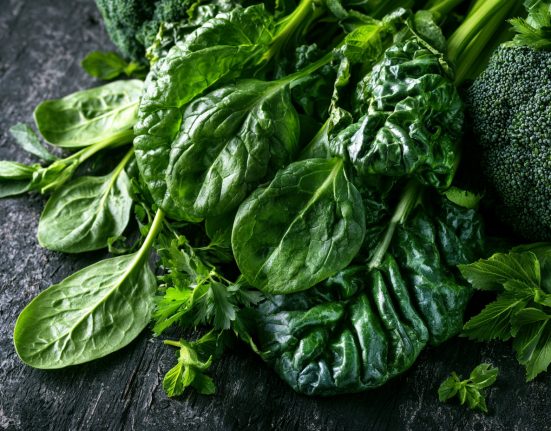
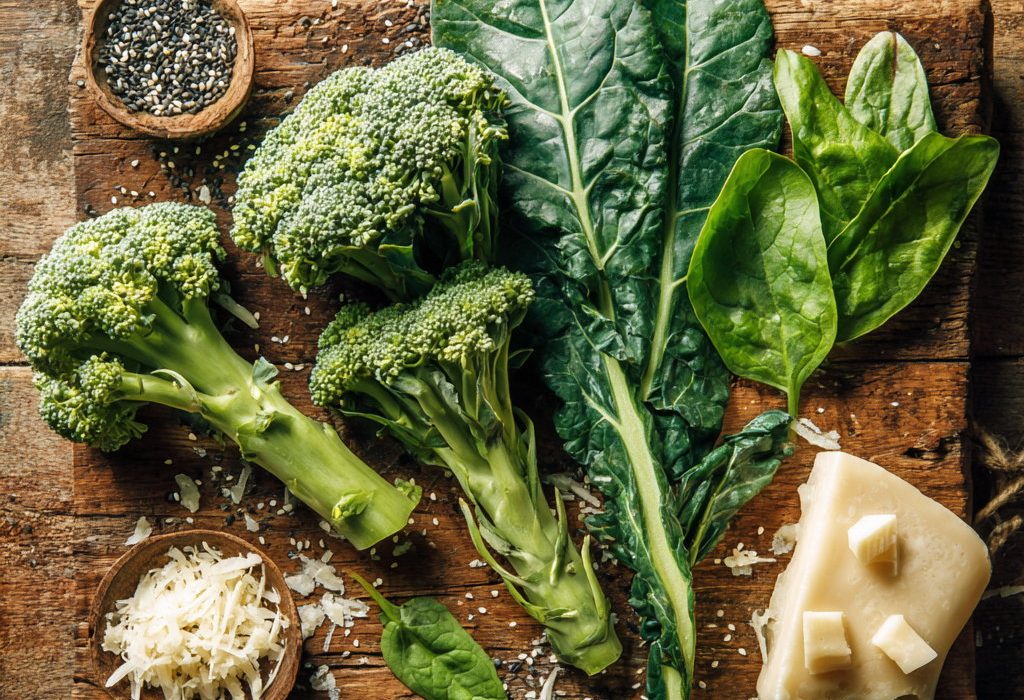
Vegetables often don’t get talked about enough when it comes to high calcium content, but they’re a great non-dairy option. One cup of kale, for example, has 177mg of calcium, according to the USDA.
Broccoli
Dieras says another easy vegetable to incorporate into your diet for calcium is broccoli. According to the USDA, 100 g of the vegetable contains 46mg of the nutrient.
Bok choy
This leafy green typically found in many delicious Asian dishes is packed with calcium. The USDA says one cup will get you 185mg of nutrients.
Spinach
There are very few downsides to eating spinach (unless you’re allergic, of course). Packed with so many vitamins and nutrients, it also contains 245mg of calcium in one cup when cooked.
Tofu
You can reach almost half your required daily intake of calcium with tofu. According to the USDA, ½ a cup contains 434mg of the nutrient.
Sesame seeds
These tiny seeds are surprisingly rich in calcium. Just one tablespoon contains around 88mg of calcium and they can be easily added to salads, stir-fries or smoothies. Tahini, a paste made from sesame seeds is also a good source.
Dried figs
Naturally sweet and nutrient-dense, dried figs provide about 135mg of calcium in five figs, making them a great snack option.
Almonds
If you love nuts, almonds are one of the richest sources of calcium. According to the USDA, one cup has 385mg of the nutrient.
Edamame
Next time you’re out for sushi, consider getting edamame. Another great source of calcium, 100g contains 63mg of calcium.
Beans
No matter which type you go for, most beans are generally good sources of calcium. 100mg of black beans, for example, contain 191mg of calcium. 100g of white beans contain 236mg of the nutrient and even 100g of chickpeas contain 111mg of calcium.
What does calcium do for you?
Calcium has loads of benefits. Most commonly known, calcium is needed for building and strengthening our bones. Dieras says that it is also used in muscle movement and hormone release. It also plays a huge role in sending signals to our nerves throughout the body and brain and helps the movement of blood.
How much calcium do you need?
With calcium, having too much or too little of the nutrient can be a bad thing. According to the NIH, adults from the ages of 19 to 50 should aim to consume about 1,000mg of calcium daily. This pretty much stays the same for adult men between the ages of 51 to 70, but adult females in the same age range will need to increase their intake to 1,200mg.
Signs that you aren’t getting enough calcium include hypocalcemia, tingling or numbness of your fingers, toes or lips, muscle cramps, spasms, irregular heartbeat, gastrointestinal symptoms such as nausea and diarrhoea, fatigue, bone pain, brittle nails and hair. And while you can easily increase calcium with supplements, Diera says that a balance is required and too much of the nutrient can lead to an increased risk of prostate cancer and heart disease. It is always best to go to a doctor to be properly diagnosed and get proper treatment for a calcium deficit, she says.
Who needs more calcium?
While calcium is essential for everyone, some groups may need higher amounts to maintain healthy bones and support overall body functions. Factors such as age, hormonal changes, diet and certain life stages can increase the body’s demand for this important mineral.
- Teenagers and young adults: During adolescence, the body is rapidly building bone mass. Getting enough calcium during these years helps develop strong bones and can reduce the risk of osteoporosis later in life.
- Women over 50: After menopause, the body produces less estrogen, a hormone that helps protect bone density. As a result, women may need more calcium to help slow bone loss.
- Older adults: As people age, the body becomes less efficient at absorbing calcium from food, making adequate intake even more important.
- Pregnant and breastfeeding women: Calcium supports the development of a baby’s bones and teeth, which can increase the mother’s calcium requirements.
- People who avoid dairy: Vegans, those with lactose intolerance or people who limit dairy products may need to pay closer attention to alternative calcium sources such as leafy greens, tofu, seeds and fortified foods.