

Lose weight. Eat right. Exercise more. Every year, we start out with well-intentioned resolutions. But by February, they often fall by the wayside — and not because we don’t care or don’t have willpower. It can be tricky to balance prioritizing your health with managing other obligations.
So, what’s the secret to setting goals and sticking to them? We asked a panel of Hackensack Meridian Health physicians: What are the smartest actions for healthy living we can take to feel better this year?
Check out their tips below and get ready to feel your best in 2026 — and beyond.
1. Do Short Bursts of Exercise
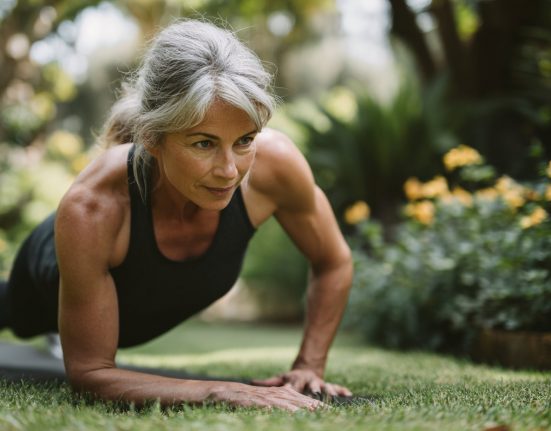
“You don’t need to dedicate an extended amount of time to exercise,” says James Hong Liu, M.D., who practices internal medicine in Hoboken. Even short bouts of activity (think: one to four minutes) multiple times a day can lower heart disease risk by up to 40% and reduce joint stiffness. Some ideas: Climb stairs briskly. Energetically march in place. Take a short, fast-paced outdoor walk.
“Work the activity into breaks in your schedule, such as when watching TV or at lunchtime,” suggests Catherine M. Cunningham, M.D., chief medical officer at Hackensack Meridian Carrier Clinic in Belle Mead. Just make sure you’re exercising vigorously, meaning “you break a sweat and feel your respiratory rate get faster,” notes Dr. Liu.
2. Add Omega-3s and Fiber to Your Plate
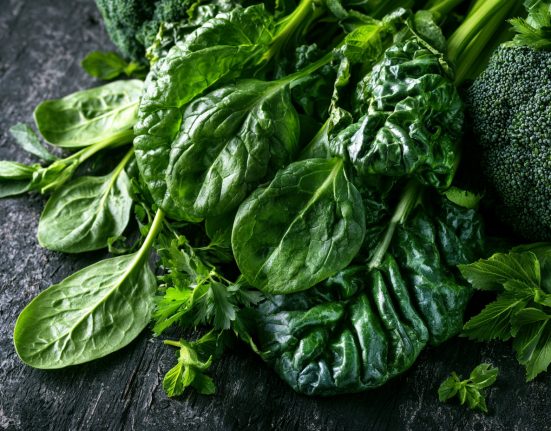
If you want to eat healthier but aren’t sure where to start, focus on incorporating fiber and omega-3-rich foods into your diet. Soluble fiber lowers LDL cholesterol and colon cancer risk, while omega-3s may protect against heart disease and slow cognitive aging.
To add these nutrients to meals, sprinkle omega-3 and fiber-rich ground flaxseed on your oatmeal at breakfast, toss fiber-filled lentils on a salad at lunch, and eat omega-boosting salmon for dinner. (For optimal omega-3s, Dr. Liu suggests wild-caught salmon over farm-raised.)
3. Take a Mindful Breathing Break
Just 60 seconds of mindful breathing can lower blood pressure and stress hormones — protecting your cardiovascular and brain health. “We get so focused on the hustle and bustle of life,” says Dr. Liu. “Simple breathing exercises help to calm the heart rate and relax blood vessels; plus, they help us become more aware of ourselves.”
Incorporate mindful breathing into your day by taking five slow, deep breaths (inhaling for four seconds, exhaling for six) before drafting your next email or after a stressful phone call.
4. Stay Connected
“As times change, we’ve become more isolated,” says Dr. Liu. “We get stimulation from electronics vs. from interacting with other people.” But social interaction is important for your health: Staying connected with others has been shown to reduce inflammation and dementia risk.
Dr. Liu encourages his patients to take small steps toward interacting regularly with neighbors, friends and family members. Try talking face-to-face with a co-worker rather than emailing. Or play a board game with family rather than an online game alone.
5. Hydrate Smarter
One of the best — and easiest — things you can do for your health is stay hydrated.
Even mild dehydration can stress the heart and impair joint lubrication. Staying hydrated also supports kidney and bladder health.
Dr. Liu explains that signs of dehydration include dry skin, chapped lips and a higher heart rate. To remind yourself to drink water, always keep a water bottle nearby. “There are fancy models that light up at timed intervals to remind you to drink,“ notes Dr. Cunningham. It also helps to eat hydrating fruits like watermelon and pineapple, Dr. Liu suggests.
6. Learn Something New
Challenging yourself to learn something new can be fun — and it’s also good for your brain. Continual learning can reduce dementia risk by 20 to 40 percent.
To build brain flexibility, take up a new language, instrument or sport, says Chandani Patel, M.D., a family medicine specialist in Waretown. “Be clear on your end goal,” and how to break it down into parts, she suggests. For instance, if you want to learn a new language, set six-month milestones for both understanding and speaking, and determine which areas you want to be most fluent in by year’s end.
“Aim to learn smaller things, too,” adds Dr. Cunningham. “Read a book about the Roman empire, for example, or try a small crocheting project.”
7. Manage Stress Better
Chronic stress raises inflammation, affecting everything from heart health to immune function. “It affects your entire body,” explains Dr. Patel.
Managing stress is often easier said than done. But it can help to dig deeper to examine what’s causing it. Is it related to specific aspects of your work, family or finances? Dr. Cunningham suggests sorting things you can control (e.g., what you eat) or influence (how a work meeting goes) from things you can’t (weather, news, others’ behaviors).
Once you’ve determined the root cause of your stress, give yourself permission to set boundaries where necessary. And reach out to a therapist if you need expert support.
Let 2026 be the year you start feeling your best in mind, body and spirit.