

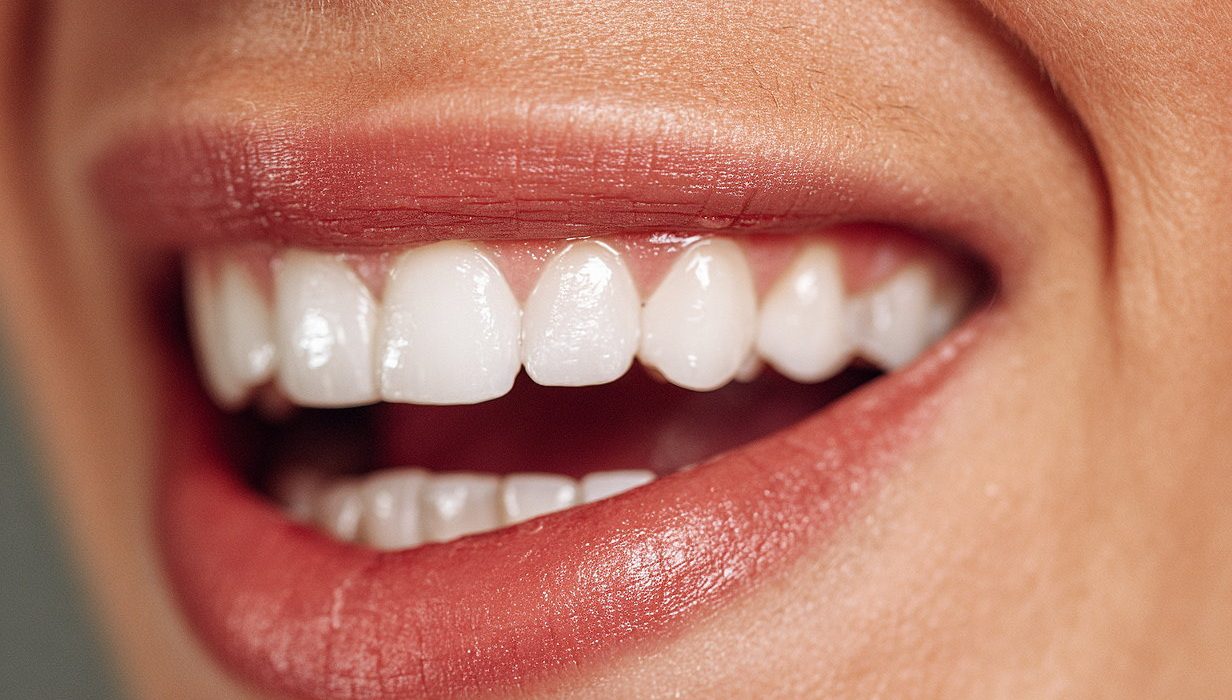
Oral health depends on consistent brushing, flossing, and dental checkups, yet several habits quietly harm your teeth. Some behaviors can crack enamel, result in cavities, damage gums, and elevate the risk of infection. After proper hygiene routines, opting soft toothbrushes, and avoiding risky habits helps to maintain strong, healthy teeth. Knowing what dental professionals avoid provides guidance for building long-term oral wellness and preventing preventable dental challenges.
Maintaining healthy teeth and gums requires more than just brushing and flossing. Even small, daily habits can have long-term impacts on your oral health. Dentists caution that specific actions, some seemingly harmless, can damage enamel, gums, and overall dental health. According to the Centers for Disease Control and Prevention, almost 50% of adults over 30 show signs of gum disease, and 26% have untreated cavities.In this guide, we explore nine habits dentists themselves would never engage in and explain why you should steer clear of them too.
1. Chewing Ice
“The first thing that came to mind for me was chewing ice,” stated Dr. Natalie Peterson, clinical associate professor of dentistry at the University of Minnesota.
“A lot of people don’t think about it, but they chew on the ice in their drink and they just don’t think about the damage that it can do,” she cited.
Ice is dangerous for teeth as it is both hard and extremely cold. It’s especially risky for people with fillings. “The thought of chewing on ice just gives me shivers,” she said.
2. Biting Your Nails
Dr. Jennifer Soncini, clinical associate professor of pediatric dentistry at Boston University, cautions that nail-biting can result in enamel wear. Because it’s a habitual action, teeth endure repeated stress.
Enamel safeguards teeth from cavities, erosion, infection, and sensitivity to hot, cold, or sweet food items. Constant nail-biting eventually damages this protective layer.
3. Using Teeth as Tools
Using teeth to open packages or bottles may appear to be harmless, but dentists recommends against it.
“Teeth are strong and very durable, but they are not meant to open bottle tops, tear apart packages or chew on hard objects,” said Dr. Jarrett Manning, cosmetic and implant dentist in Georgia.
He mentioned, “Utilizing your teeth in this manner can lead to pain, broken or cracked teeth, root canals, or even teeth that need extracting.”
4. Eating Sticky Candies
Gummy worms, peach rings, and other sticky candies can cause problems as they cling to grooves and between teeth, elevating the risk of cavities. They can also dislodge fillings.
“I kind of think of these as the trifecta of bad. They’re sticky, they’re super sugary and they’re really acidic, that’s why they taste sour,” Peterson described.
5. Drinking Excessive Alcohol
Excessive alcohol not only impacts your liver and sleep but also affects oral wellness.
“Alcohol leads to dry mouth and decrease saliva production, and because saliva’s role is to help cleanse the mouth, protect teeth and neutralize acids, a decrease in saliva can increase your risk of getting cavities,” Manning stated.
6. Using Hard-Bristled Toothbrushes
Hard or medium bristles can wear down enamel and harm gums.
Hard- and medium-bristle toothbrushes “can be really abrasive to your gums, so they can cause more recession, and it’s hard to fix recession once it’s happened,” Peterson stated.
Dentists recommend soft-bristle brushes to clean teeth safely.
7. Smoking or Using Tobacco
“I would never smoke or use tobacco,” Manning mentioned.
Beyond general health challenges, tobacco causes serious oral issues, that includes tooth discoloration and, in severe cases, oral cancer. Dentists highlight that avoiding tobacco is important for long-term dental health.
8. Skipping Brushing and Flossing
Flossing daily and brushing twice a day are crucial habits for preventing gum disease.
“Flossing daily along with brushing is the key to fighting gum disease,” Manning said.
Nighttime brushing is important. “Never ever, ever, ever go to sleep without brushing your teeth,” Soncini highlighted. “You can spend a whole day without brushing, but if you don’t brush before you go to bed, that is the worst you can do to your mouth.”
9. Missing Regular Dental Checkups
Routine dental visits help catch dental problems early.
“I also would never ignore my regular dental checkups,” Manning said. “Routine dental checkups are crucial for maintaining oral health and catching dental issues early.”
Checkup frequency relies on individual risk factors and dental wellness.
“Some people might only need to come in once a year, they might be pretty healthy; a lot of people, twice a year is a good idea; and some people that have risk factors or dental problems, they might need to come in three to four times a year,” Peterson described.
Consult your dentist to find the schedule that works best for you.