
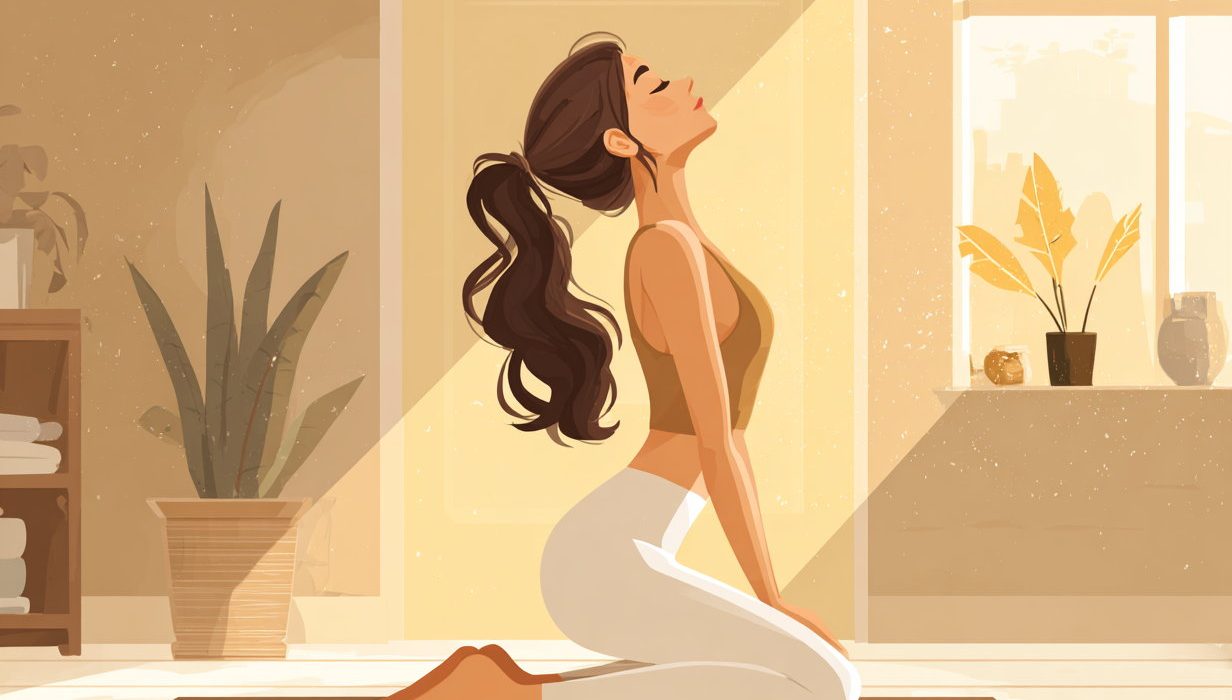
Whether from sitting at a desk for hours, intense workouts, or even the natural effects of aging, body tightness is something many people experience. Tightness often manifests in areas like the back, hips, shoulders, and hamstrings, limiting flexibility and mobility. Fortunately, yoga offers a simple and effective way to reduce tension, improve flexibility, and enhance overall well-being. Here are five yoga poses specifically designed to target and alleviate body tightness, helping you feel more relaxed, flexible, and comfortable in your body.
1. Downward-Facing Dog (Adho Mukha Svanasana)
One of the most iconic and versatile yoga poses, Downward-Facing Dog, is excellent for stretching the back, hamstrings, calves, and shoulders. This pose works on lengthening the spine and opening up the hips, areas that often become tight from prolonged sitting or physical activity.
How to Do It:
- Start on your hands and knees in a tabletop position. Ensure your wrists are aligned directly under your shoulders, and your knees are under your hips.
- Tuck your toes and slowly lift your hips toward the ceiling, aiming to form an inverted V shape.
- Keep your hands shoulder-width apart and your feet hip-width apart. Press your heels toward the floor (they may not touch, which is fine).
- Keep your head between your arms with your ears aligned with your upper arms.
- Hold for 30 seconds to 1 minute, focusing on stretching through the spine and the back of the legs.
This pose is fantastic for releasing tension in the hamstrings, calves, and back. It’s also a great way to start or finish your yoga practice, as it activates multiple muscle groups at once.
2. Child’s Pose (Balasana)
Child’s Pose is a deeply restorative yoga posture that targets the lower back, hips, and thighs. It’s known for its ability to promote relaxation and release tension in the body. This pose is ideal after a long day of sitting or physical exertion, as it helps lengthen the spine and relax the entire body.
How to Do It:
- Start by kneeling on the floor with your big toes touching and knees spread wide apart.
- Sit back on your heels and then slowly lower your chest toward the floor, extending your arms forward on the mat or resting them alongside your body.
- Let your forehead gently rest on the mat, allowing your body to completely relax into the pose.
- Hold for 1-3 minutes, taking deep, slow breaths to deepen the stretch and promote a sense of calm.
This simple yet powerful pose helps to release tension in the hips, back, and neck, which are common areas for tightness. It’s also an excellent counterpose to the intensity of forward bends and backbends.
3. Seated Forward Fold (Paschimottanasana)
The Seated Forward Fold is a fantastic pose for releasing tightness in the hamstrings, lower back, and spine. It also calms the mind and helps with stress relief, making it an excellent pose to practice after long hours of sitting or standing.
How to Do It:
- Sit on the floor with your legs extended straight in front of you and your feet flexed.
- Inhale and lengthen your spine, sitting up tall.
- On the exhale, hinge at your hips and fold forward, keeping your back as straight as possible. Reach for your feet, shins, or ankles, depending on your flexibility.
- If you can’t reach your feet, use a yoga strap around the soles of your feet to help bring your torso closer to your legs.
- Hold the pose for 30 seconds to 1 minute, allowing your body to relax and stretch with each breath.
This forward fold works to lengthen the spine while releasing tightness in the hamstrings and lower back, areas that can often feel stiff after sitting for extended periods.
4. Pigeon Pose (Eka Pada Rajakapotasana)
Pigeon Pose is a powerful hip opener that targets tightness in the hips, glutes, and lower back. Many people experience tightness in the hip flexors from prolonged sitting, and this pose can help alleviate that discomfort. It also stretches the thighs, groin, and lower back.
How to Do It:
- Start in a tabletop position and bring your right knee forward, placing it behind your right wrist. Your right foot should be near your left hand.
- Slide your left leg straight back behind you, keeping your hips squared to the mat.
- Lower your torso towards the floor, keeping your back leg extended and your body relaxed. You can rest your forearms or forehead on the mat.
- Hold for 1-2 minutes, then switch sides.
Pigeon Pose helps open up the hip flexors and glutes, which often carry a lot of tension. If you have difficulty balancing or feel discomfort in the knee, consider placing a cushion or block under the hip of the bent leg for additional support.
5. Cat-Cow Pose (Marjaryasana-Bitilasana)
Cat-Cow Pose is a dynamic yoga flow that helps mobilize the spine, stretch the back and neck, and release tension in the torso. This gentle movement is perfect for easing tightness in the upper back, shoulders, and spine. It also promotes flexibility and strengthens the core muscles.
How to Do It:
- Start on your hands and knees in a tabletop position, with your wrists directly under your shoulders and knees under your hips.
- On an inhale, arch your back, lift your chest, and look up (Cow Pose).
- On the exhale, round your spine upwards, tuck your chin to your chest, and draw your belly button towards your spine (Cat Pose).
- Continue moving between Cat and Cow poses for 10-15 rounds, focusing on your breath and moving smoothly through the movements.
This flow is excellent for increasing spinal mobility and alleviating tightness in the back and neck. It also promotes better posture and helps to strengthen the muscles that support your spine.
Conclusion
Yoga offers a powerful and effective way to reduce body tightness and increase flexibility. By incorporating these five yoga poses into your daily routine, you can alleviate stiffness, improve posture, and enhance overall well-being. Whether you’re looking to relieve back pain, loosen tight hips, or reduce stress, these poses target key areas where tension tends to build up. Even spending just 10-15 minutes each day practicing these stretches can make a noticeable difference in your flexibility and comfort level.
Remember, yoga is a practice that should be approached with mindfulness. Always listen to your body, and never push beyond your limits. As you incorporate these poses into your day, you’ll begin to feel more relaxed, flexible, and at ease in your body.