

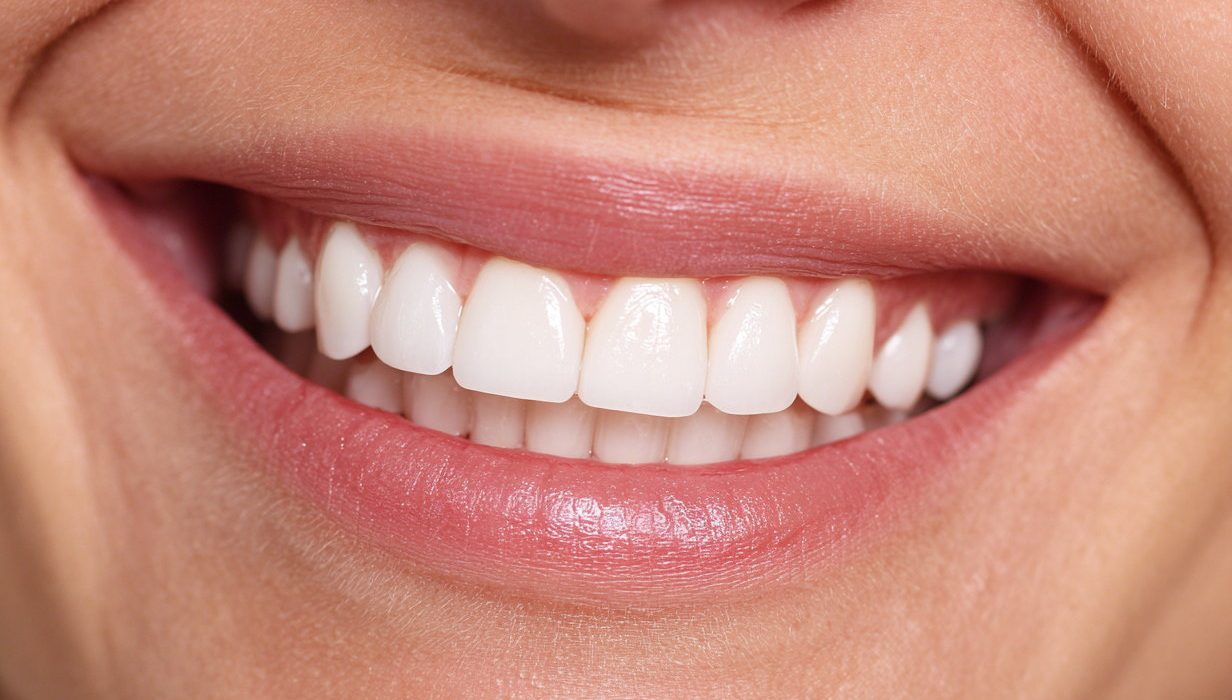
While daily care builds the foundation of a healthy smile, consistency and professional guidance ensure it lasts a lifetime. A few mindful changes can protect your oral health for years to come.
Your smile is often the first thing people notice, but oral health goes far beyond aesthetics. A consistent and mindful oral hygiene routine plays a crucial role in preventing cavities, gum disease, and even broader health issues linked to poor dental care. While most of us believe we’re doing enough with a quick brush twice a day, experts insist that small tweaks can make a big difference.
Brush smarter, not harder
Brushing is the cornerstone of oral hygiene, but technique and duration matter far more than force. Aggressive brushing can wear down enamel and irritate gums, so focus on controlled, thorough movements instead. Electric toothbrushes can help, but even a manual brush works well when used correctly.
According to Dr Nirali Patel, Cosmetic dentist and founder at Smile Craft Dental Studio, Ahmedabad, “Most people brush for only 45 seconds, leaving bacteria behind. Set a timer for two full minutes twice a day to ensure you thoroughly clean every tooth surface. Technique matters more than force. Hold your toothbrush at a 45-degree angle toward the gumline and use gentle, circular motions to sweep away plaque without damaging sensitive gum tissue.”
Don’t skip the spaces in between
Brushing alone misses nearly 35 percent of tooth surfaces, particularly the tight gaps where food particles and plaque love to hide. That’s where flossing becomes non-negotiable — daily flossing prevents plaque buildup that can harden into tartar and lead to gum inflammation over time.
Dr Patel also highlights an often-overlooked step — tongue cleaning and adds, “Bacteria accumulate on the tongue just as they do on teeth, often leading to bad breath. Gently brush your tongue or use a dedicated tongue scraper every morning to reduce oral bacteria. After brushing with fluoride toothpaste, spit out the excess foam but avoid rinsing with water immediately. Leaving a thin layer of fluoride on your teeth allows the mineral to strengthen your enamel.” This simple habit can significantly improve breath freshness and overall oral health.
Tools matter more than you think
Using the right tools and replacing them on time is very important. Worn-out bristles lose their effectiveness and can even be abrasive. Dentists recommend changing your toothbrush or electric brush head every three to four months or sooner if the bristles start to fray.
Hydration also plays a silent but powerful role. Drinking water throughout the day helps wash away food residue and supports saliva production. Saliva is your mouth’s natural defense system, neutralising acids and reducing the risk of decay.
Eat for your teeth
What you eat directly affects your oral health. The dental expert advises limiting sugary and acidic foods, which erode enamel and feed harmful bacteria. Instead, reach for crunchy fruits and vegetables like apples, carrots, and cucumbers. These foods stimulate saliva flow and gently clean teeth surfaces while strengthening gums. Calcium-rich foods and those high in fibre further support strong teeth and healthy gums, making diet an essential part of any oral care routine.
Simple home remedies to try
To enhance your routine naturally, you can try a few gentle home remedies. Oil pulling with coconut oil for 5–10 minutes can help reduce oral bacteria. Rinsing occasionally with warm salt water soothes gums and reduces inflammation. Chewing fennel seeds after meals aids digestion and freshens breath naturally. These remedies don’t replace brushing or flossing but can complement your daily habits.
FAQs on Mindful Oral Hygiene Routine
1. How long should I brush my teeth?
You should brush your teeth for two full minutes twice a day to ensure you thoroughly clean every tooth surface.
2. What is the best brushing technique?
Hold your toothbrush at a 45-degree angle toward the gumline and use gentle, circular motions to sweep away plaque without damaging sensitive gum tissue.
3. Why is flossing important?
Flossing daily is crucial because brushing alone misses nearly 35 percent of tooth surfaces, especially in tight gaps where food particles and plaque hide.
4. How often should I replace my toothbrush?
Dentists recommend changing your toothbrush or electric brush head every three to four months or sooner if the bristles start to fray.
5. How does hydration affect oral health?
Drinking water throughout the day helps wash away food residue and supports saliva production, which is your mouth’s natural defence system against acids and decay.
6. What foods are good for oral health?
Crunchy fruits and vegetables like apples, carrots, and cucumbers stimulate saliva flow and gently clean teeth surfaces while strengthening gums. Calcium-rich foods and those high in fibre also support strong teeth and healthy gums.