

A balanced body isn’t just about standing on one leg without wobbling—it’s about strength and flexibility working together, muscles supporting joints evenly, and the mind staying calm while the body moves with control. Modern lifestyles often create imbalance through long sitting hours, repetitive movements, and stress. Yoga helps restore balance by training coordination, posture, strength, mobility, and mental focus all at once. These five yoga poses are especially effective for building a truly balanced body from head to toe.
Why Body Balance Matters More Than You Think
When the body is balanced, movement feels lighter and more efficient. Muscles work together instead of overcompensating, which reduces strain on joints and lowers the risk of injury. Balance also improves posture, breathing, and energy levels. Mentally, balance-focused yoga trains concentration and calm awareness, helping you stay steady not just physically, but emotionally as well.
Mountain Pose for Postural Balance
Mountain pose is the foundation of a balanced body. Standing tall with feet grounded teaches proper alignment from the soles of the feet up through the spine and head. This pose improves posture, weight distribution, and body awareness. Subtle muscle engagement in the legs and core helps correct imbalances created by sitting or uneven movement habits. Calm breathing in mountain pose also centers the mind.
Tree Pose for Stability and Focus
Tree pose is one of the best yoga poses for developing balance and coordination. Standing on one leg strengthens the ankles, calves, thighs, and hips while engaging the core. Because balance requires attention, this pose naturally trains mental focus and patience. Practicing tree pose regularly improves stability for walking, standing, and everyday movement.
Warrior II for Strength and Symmetry
Warrior II builds balance through strength and alignment. The wide stance strengthens the legs and hips while encouraging equal engagement on both sides of the body. Holding this pose improves endurance, posture, and body awareness. It also teaches balance between effort and ease—strong legs paired with relaxed shoulders and steady breath.
Downward Facing Dog for Full-Body Balance
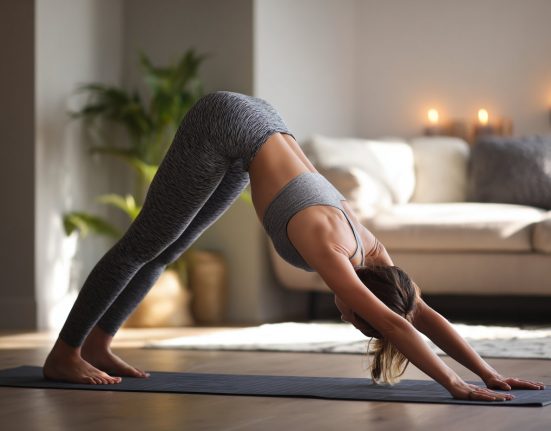
Downward facing dog balances strength and flexibility throughout the entire body. The pose strengthens the arms and shoulders while stretching the spine, hips, and legs. It improves circulation, resets posture, and creates balance between upper and lower body effort. When practiced mindfully, it also calms the nervous system and clears mental fatigue.
Seated Twist for Internal Balance
Seated twists help balance the spine and pelvis by restoring natural rotation. They release tension from the back and hips while improving digestion and circulation. Twists also help correct postural imbalances caused by daily habits like leaning or slouching. On a mental level, twists promote clarity and a sense of reset.
How These Poses Work Together
These five poses complement each other by addressing different aspects of balance. Standing poses build stability, strength, and coordination. Inverted or semi-inverted poses rebalance circulation and posture. Twists restore internal alignment. Together, they create harmony between strength, flexibility, and awareness.
How Often to Practice for a Balanced Body
Practicing these poses 4–6 times a week for 15–25 minutes can lead to noticeable improvements. Even short, consistent sessions are effective. Balance improves gradually, so patience and regular practice matter more than intensity.
Common Mistakes That Disrupt Balance
Rushing through poses, holding the breath, or forcing alignment can create more imbalance. Balance develops best when movements are slow, controlled, and paired with steady breathing. Using a wall or chair for support is a smart way to build stability safely.
How a Balanced Body Improves Daily Life
As balance improves, posture feels more natural, movement becomes smoother, and fatigue decreases. Many people also notice fewer aches, better coordination, and increased confidence in daily activities like walking, climbing stairs, or standing for long periods.
Conclusion
A balanced body is built through mindful movement, not force. These five yoga poses offer a simple yet powerful way to restore strength, stability, and alignment while calming the mind. With regular practice, yoga helps the body move as one connected system—strong, flexible, and steady—supporting better health and balance in everyday life.